
Why Do Dogs Get the Zoomies? The Science Behind the Chaos
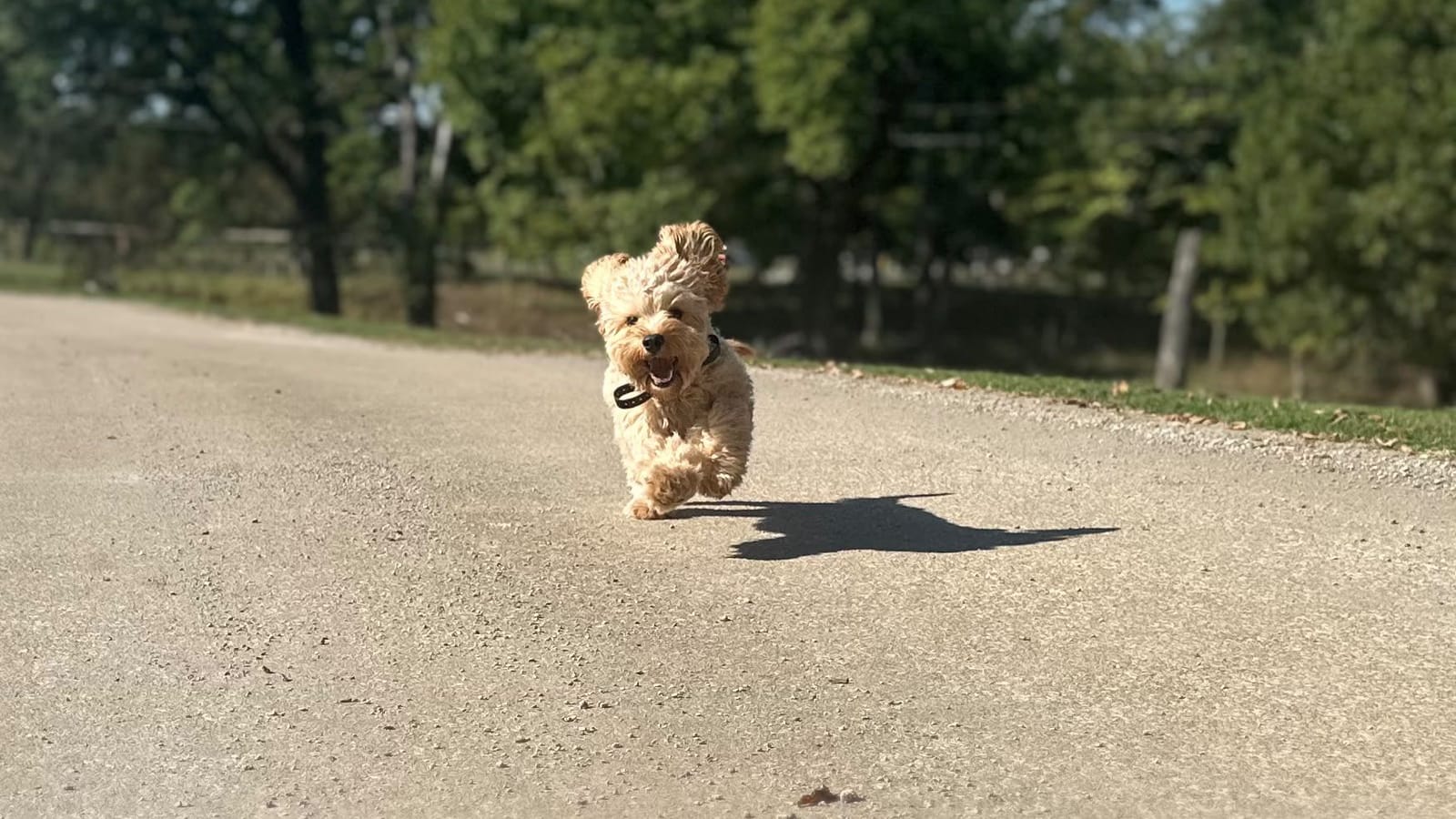
From post-bath madness to living room racetracks, here's what's really going on when your pup suddenly turns into a four-legged tornado.
Imagine this:
It's a beautiful, calm Sunday morning. The trees are swaying in the breeze, birds are chirping, and you're sipping your coffee while watching your sweet pup snooze peacefully on the couch beside you.
That is, until everything changes.
Pillows go flying, cushions tumble off the couch, coffee sloshes in your mug, and suddenly, your living room is nothing but a blur of paws and fluff.
And that’s when it hits you.
The zoomies have begun.
I'm sure we can all relate to watching our pups go from couch potatoes (or freshly pampered angels) to tornadoes with four legs in a matter of seconds. It's one of the most entertaining things our furry friends bring into our daily lives, keeping us laughing until our sides hurt.
But have you ever wondered what it actually means?
Why do our dogs go from cute and cuddly to competing for first place at the Kentucky Derby in the blink of an eye? Are they simply having the time of their lives, or is there something a little deeper going on between those fluffy ears?
Let's chat about it.
What Exactly Are the Zoomies?
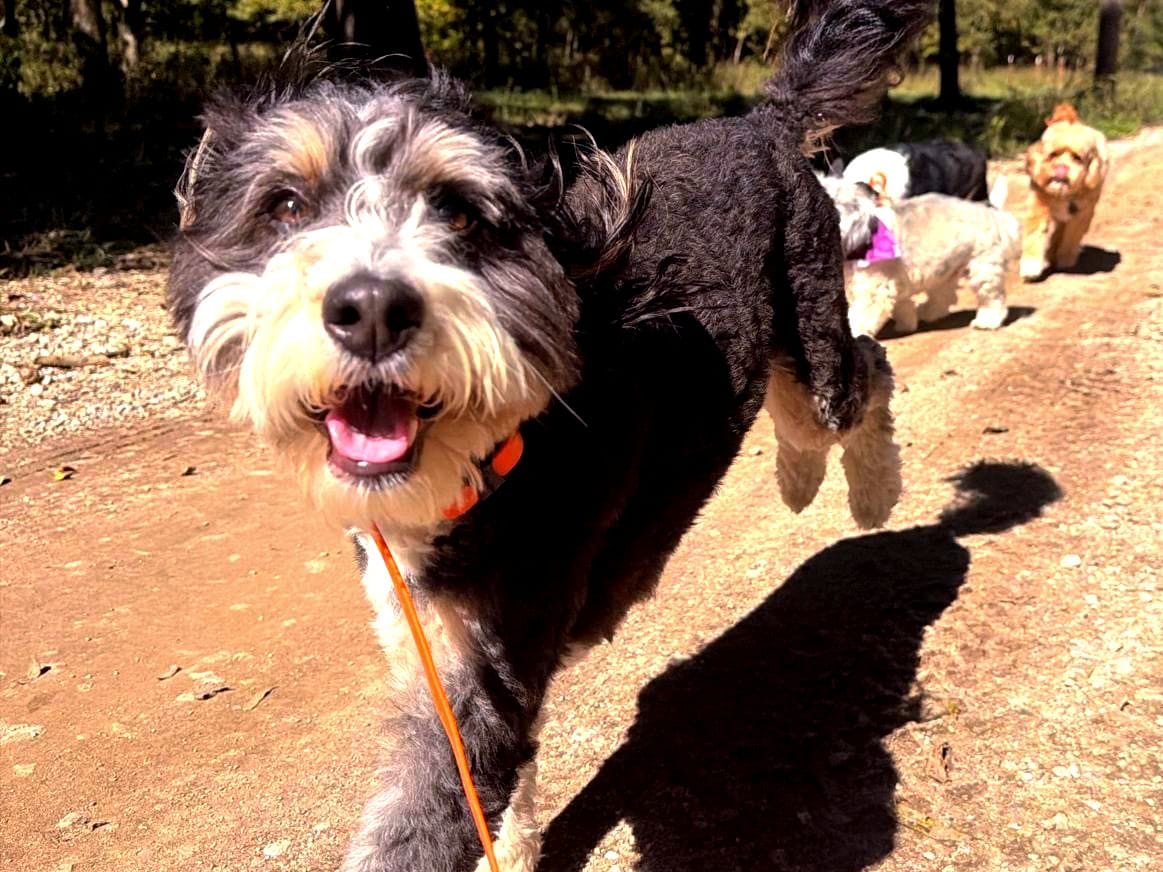
The technical term for zoomies is Frenetic Random Activity Periods, or FRAPs for short. These are sudden bursts of energy that, while brief, can be quite intense. You may see your furry friend sprint back and forth, run laps around your living room, make sharp turns, or even tuck their rear underneath themselves like they've got boosters attached.
To us, it may look like nothing more than excessive energy or excitement, but in reality, there's no single known cause. FRAPs can occur when dogs are particularly excited or playful, but they may also happen following stressful situations or periods of overstimulation.
Are Zoomies Just a Puppy Thing?
Since we often see these behaviors in puppies and younger dogs, it's easy to chalk them up to puppy energy and excitement. And while zoomies are more common in younger pups, there's a bit more to the story.
Puppies are still learning about the world around them, developing play behaviors, and experiencing all kinds of new and exciting situations. Their days are often filled with bursts of activity followed by much-needed rest, making those sudden explosions of energy a familiar sight.
So, are puppies more likely to get the zoomies? Absolutely! However, they don't come equipped with a preinstalled zoomie button that can simply be switched on or off. And don't be surprised if your puppy carries that enthusiasm right into their adult years.
Why Do Dogs Get the Zoomies After Certain Activities?
To better understand the "why" behind the chaos, timing can tell us quite a bit!
Remember how we mentioned that zoomies can sometimes happen after excitement, stress, or overstimulation? Well, that might explain why your freshly pampered pup suddenly transforms into the Tasmanian Devil the moment bath time is over.
You've spent the last 30 minutes bathing, brushing, and fluffing them to perfection, only for them to race outside and give themselves a quick mud bath to finish off the spa experience.
You're welcome, Mom!
But here's where things get interesting. Not every zoomie episode means the same thing.
A loose, wiggly body and playful bouncing usually suggest that your dog is having a fantastic time. On the other hand, stiff movements, a tightly tucked tail, or frantic attempts to escape may indicate that they're feeling frightened or overwhelmed. Learning to read your dog's body language can help you recognize the difference.
We see this in real-time, daily, in our yard at the facility. Picture two pups wrestling and rolling around in the grass when suddenly, the energy starts to shift. Maybe the play becomes a little too intense, or one pup needs a break from all the roughhousing. We may see hackles raise, legs stiffen, eyes become hard set. These are signs that tell us to pay closer attention to how the interaction is developing. Then, just as quickly as things changed, they're off! Sprinting across the yard, weaving around each other, and trading their wrestling match for a no-contact game of tag, where both pups have the freedom to loosen up, feel the wind in their fur, and what started as an intense round of Friday Night Smackdown has turned into something completely different!
Watching these interactions reminds us why context matters. A sudden burst of running might be playful excitement, a change in the way dogs are interacting, or even an opportunity to create some space when things become overwhelming.
For some dogs, that sudden burst of activity may help release built-up excitement or tension. While researchers haven't established exactly why this happens, observing what occurred immediately before the zoomies, along with your dog's body language, can help you better understand what they're experiencing.
Interested in learning more about how your dog's body handles stress? Our article on the vagus nerve and your dog's nervous system takes a closer look at the science behind relaxation and emotional regulation.
Are Zoomies Safe?
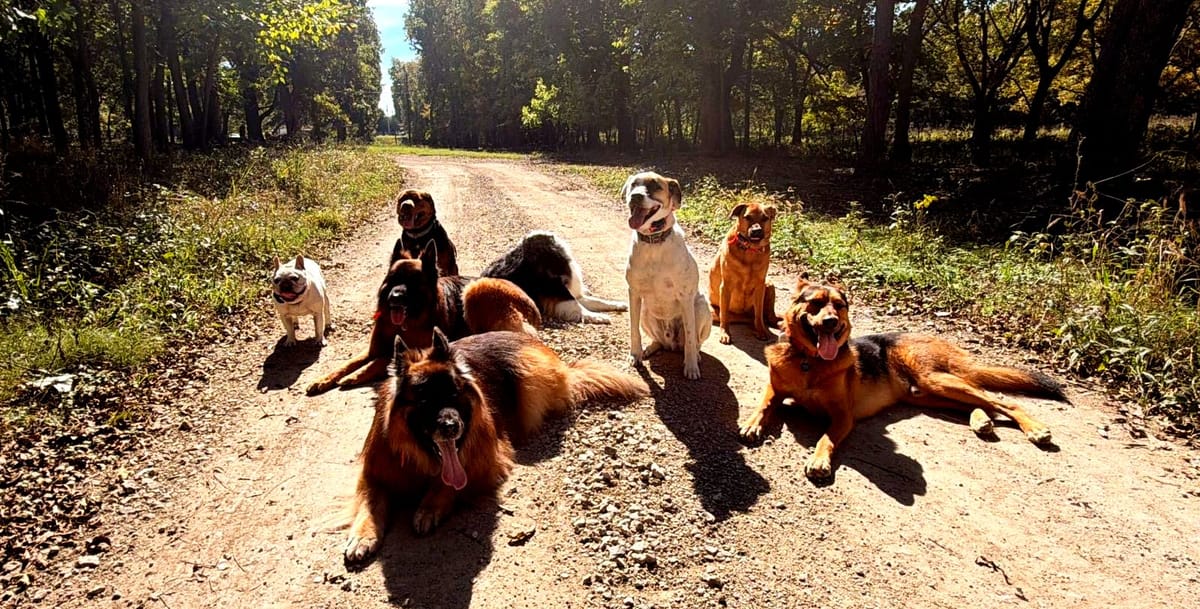
Something to keep in mind is that while zoomies are generally harmless, we want to make sure our pups have an appropriate environment to enjoy them safely.
A race around the speedway might be perfectly fine in a securely fenced backyard or another safe, open space, but perhaps not while your sweet Aunt Rhonda is shuffling toward the dining table for her third plate of Thanksgiving dinner.
(We're not judging, Aunt Rhonda. I'm shooting for my personal best of five plates this year!)
Slippery floors, sharp corners, furniture, and unsuspecting family members can all turn a perfectly innocent zoomie session into an unexpected trip to the vet. Whenever possible, giving your pup a safe, open space with good footing allows them to enjoy those energetic moments without putting themselves or others at risk.
Because at the end of the day, that peaceful Sunday morning coffee is much more enjoyable in our cup than in our lap.
However, if your dog's zoomies suddenly become more frequent or intense than usual, or are accompanied by signs of distress, pain, or anxiety, it may be time to take a closer look. This is where we leave the fun side of the zoomies behind and enter territory that warrants a conversation with your veterinarian.
At the End of the Day
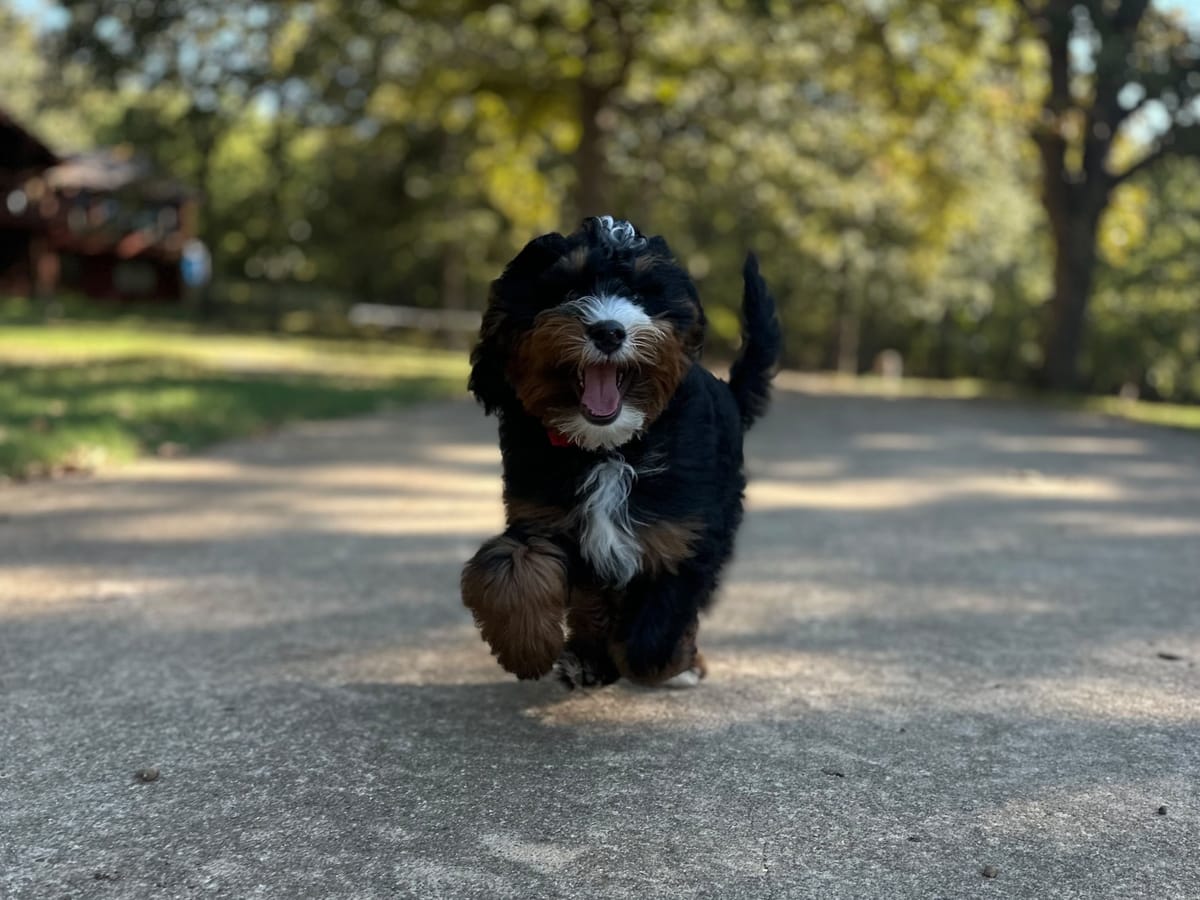
Whether it's a post-poop celebration, an impromptu racetrack around the flower beds, or a complete rearrangement of our living room furniture, we have to admit that the zoomies are truly one of the perks of having a pup.
These hilarious bursts of energy remind us that our dogs have their own unique ways of expressing excitement, playfulness, and sometimes even a little stress. By learning to recognize the difference, we can give them the space to be themselves while making sure they're happy, comfortable, and safe.
After all, while we love a Peaceful Pup, life is always just a little more exciting with a dash of chaos.