
Therapy Dog & Emotional Support Dog Training Near Tulsa, OK
A dog that steadies the room — or steadies you — has to be steady first. Four weeks of daily, real-world work builds that.
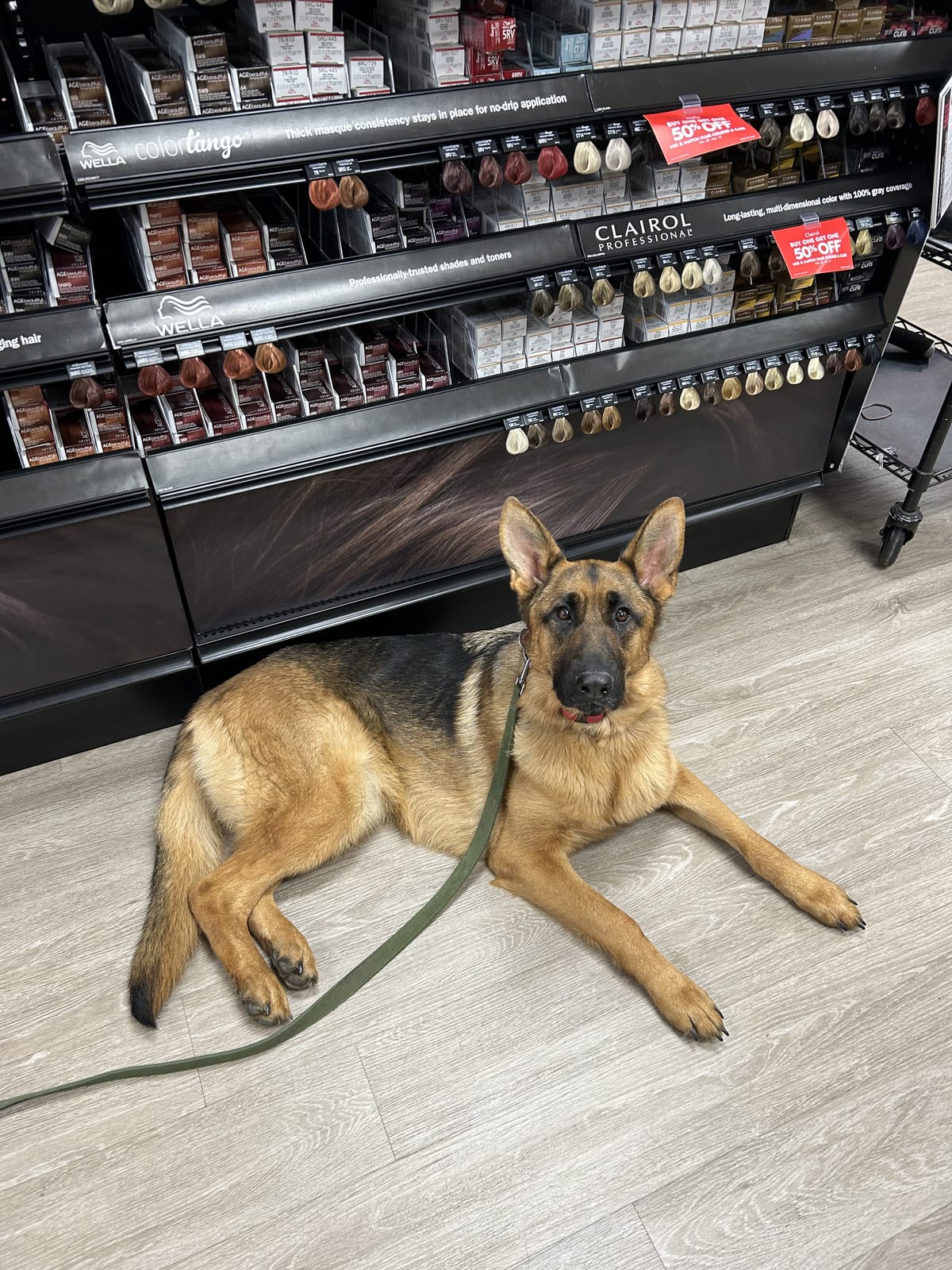
Calm in a crowded pet-friendly store. Settled under a patio table. Gentle with a stranger in a wheelchair. Unbothered by a dropped tray, a kid's shriek, or a hospital cart. We help your dog feel more comfortable in these situations and show you how to guide them.
★★★★★ 200+ Five-Star Reviews · 180-Acre Ranch · Trainer-supervised · BBB A+ Accredited
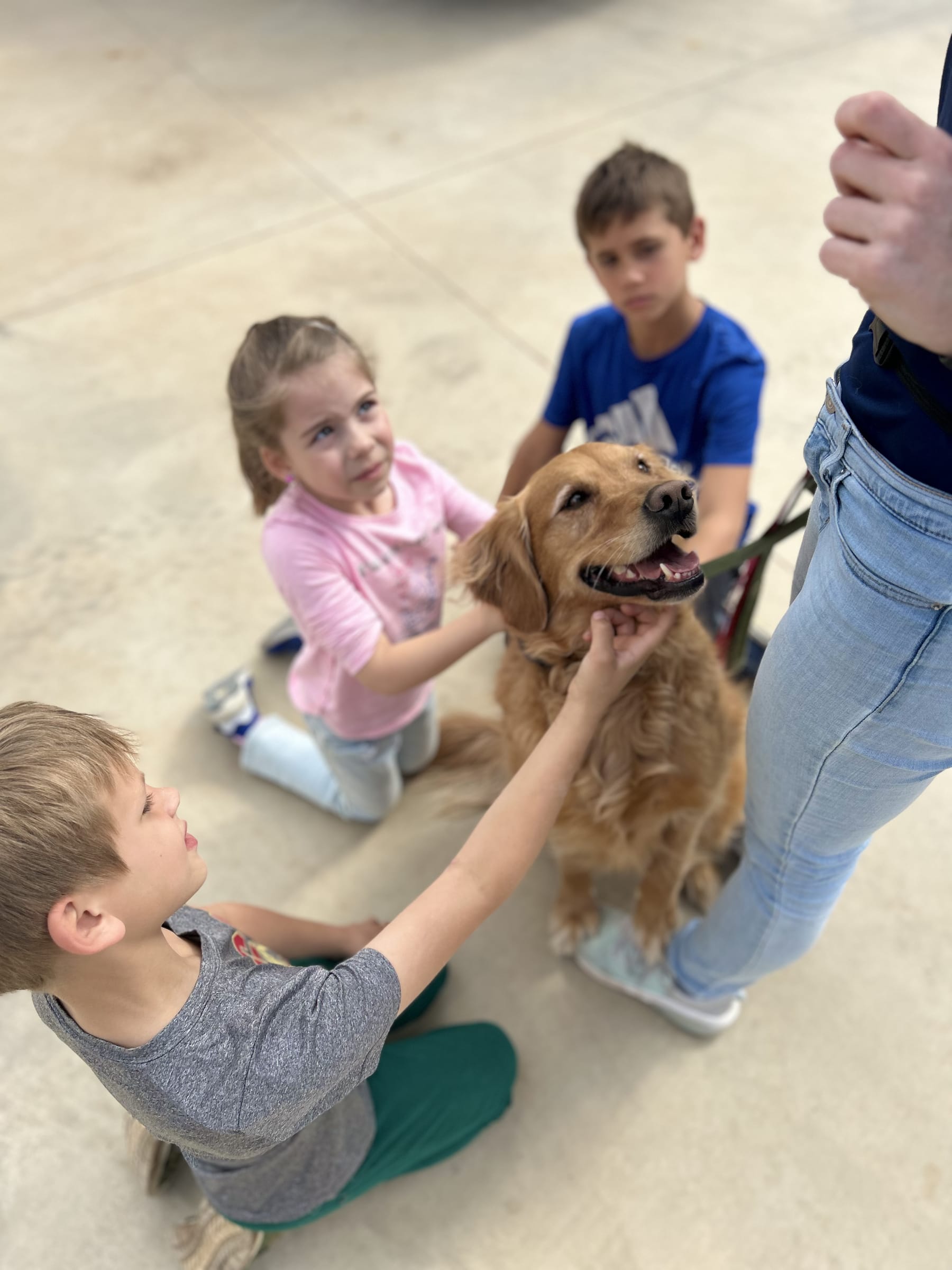
Watch Finn, our therapy dog, at work
Finn — practicing calm in public around people and distractions.
Maggie — puppy board & train. Calm in public, around people and other dogs.
Swipe for more →
Who this is for
Anxiety, PTSD, depression, grief. Your dog helps — but only if they can handle the busy places where dogs are welcome.
A dog-friendly office, store or patio. You want your dog to settle while you get things done.
Your dog is sweet at home. Around wheelchairs, walkers, and strangers reaching in, nobody knows yet.
Jumping, pulling toward every person, can't settle. The heart is right; the manners aren't there.
Barking at the automatic doors, pulling through the aisles, whining under the table.
If that's your dog, this is the program built for it.
What a therapy or emotional support dog actually has to do
Loving people is the raw material. The job is staying calm when everything around them isn't.
A dog that visits people in public settings — or supports you out in the world — needs three things most pet dogs never learn: neutrality (people, dogs, food, noise, and movement stop being events), a deep settle (down and stay, for as long as it takes, wherever dogs are welcome), and handler focus (checking in with you instead of scanning the room).
We teach all three the same way we teach everything: build calm first, then layer the skills on a calm dog. Then we practice in everyday settings and help you use the same cues and handling on your own outings.
The legal part, plainly: a therapy dog visits hospitals, care homes or schools by invitation, usually through a therapy-dog organization. An emotional support animal supports one person through companionship and has no general public-access rights under the federal ADA. A service dog is task-trained for a person with a disability. This program is training and preparation — not service-dog task training, not an ESA letter, not a certification, and not a promise of public access.
4-Week Therapy & Emotional Support Dog Program
Your dog splits four weeks between our 180-acre ranch and a trainer's home, with structured socialization, one-on-one care and practice in everyday settings: pet-friendly stores and patios, sidewalks, parking lots, crowds, and the places therapy teams are invited.
- Neutrality to people, dogs, food, noise, and movement
- Deep place and settle — under a table, in a waiting room, beside a bed
- Loose-leash walking through doors, aisles, and crowds
- Calm greetings: no jumping, gentle with hands, walkers, and wheelchairs
- Reliable recall and leave-it, even with distractions
- Real-world outings daily, building up to the kinds of places you'll go together
- Handler coaching at handoff — you learn to run the dog, not just own it
- Prep for a therapy-dog organization's evaluation if that's your goal (they certify; we prepare), plus post-program support
Now booking December 2026 training dates. Ask about availability on your free assessment call.
Reserve Your Dog's Spot — Book the Free CallDealing with aggression or reactivity instead? That's our 4-week Aggression & Reactivity program ($5,200). Not sure which fits? The free call sorts it out.
How the four weeks work
Free assessment call
Tell us about your dog and where you need them to go. You get honest feedback on temperament and a straight recommendation — even if it isn't us.
Calm first
We build place, settle and calm responses through ranch training and everyday practice in a trainer's home.
Into the world
Daily outings that build in intensity — quiet pet-friendly stores to busy ones, patios, parking lots, and the waiting areas where dogs are welcome.
The hard stuff
Carts, automatic doors, dropped objects, reaching hands, other dogs passing close. Exposure at the right dose, in the right order.
Handler coaching
At handoff you learn the commands, the leash, and how to read your dog early. The results transfer because you do.
Support after
Questions come up at home and on the first real visit. We stay available.
Where we prepare your dog to work
Tell us where you need to go and we build the outings around it — in the places dogs are welcome, and the places therapy teams are invited.
Hospital and clinic visits
Medical smells, equipment, hallways, and people who move unpredictably.
Nursing homes and memory care
Wheelchairs, walkers, slow reaching hands, and a lot of patience.
Schools and reading programs
Kids, noise, and sitting still while someone reads to you.
Offices and travel
Elevators, lobbies, pet-friendly hotels, and long days of being nearby and quiet.
Patios and errands
Under-table settles on a pet-friendly patio, store aisles, checkout lines — the everyday places you can bring your dog.
Your home, calmer
The same calm that works in public makes the dog easier to live with every day.
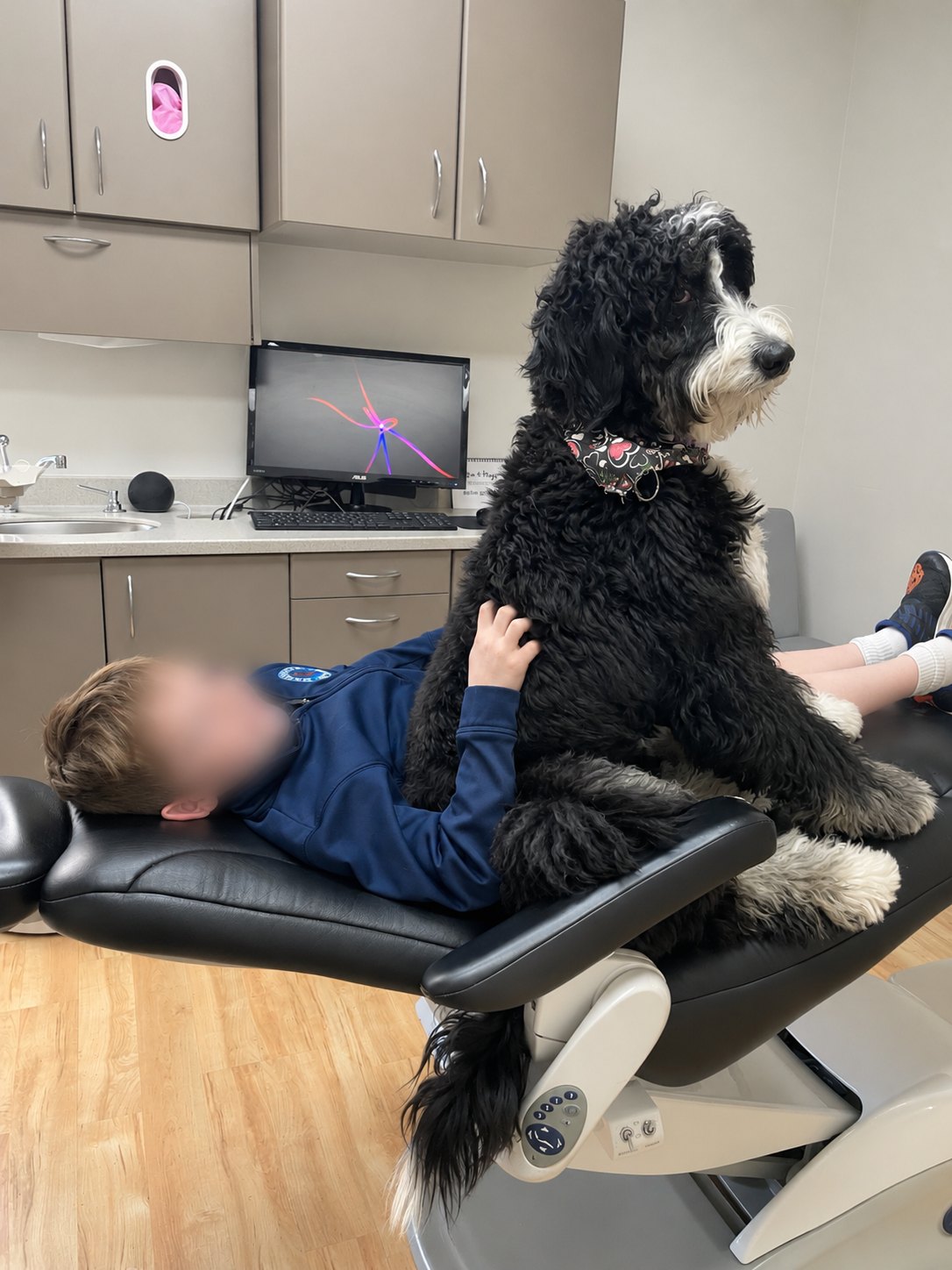
Calm where people need it most
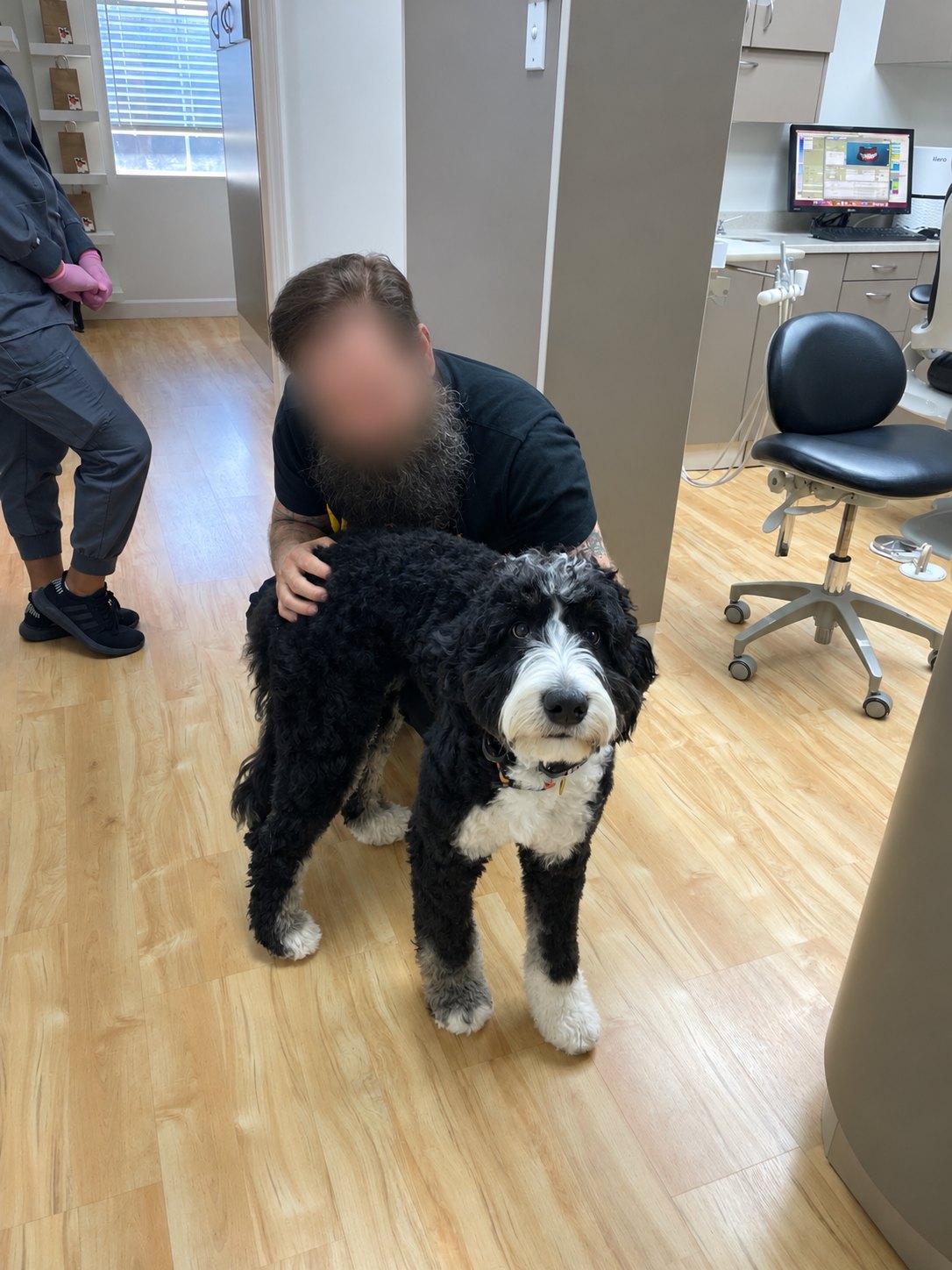
Exam rooms, waiting rooms and a nervous kid in the big chair. This is the calm we build for.
Client feedback from Google
“We sent our Bernese Mountain Dog, Finn, to A Peaceful Pack for their 4-week board and train program—and the results were incredible.”
Four-week training program · Finn

Training built from experience
Hayden Fullingim developed A Peaceful Pack's methods through work with thousands of dogs from across the nation.
Our trainers use that shared curriculum, adapt the plan to your dog and coach you through the same skills at home.
Frequently asked questions
What's the difference between a therapy dog and an emotional support dog?
A therapy dog visits other people — hospitals, schools, nursing homes, offices — and has to stay calm and gentle with strangers, equipment, and noise. An emotional support dog supports one person — at home and in the everyday places where dogs are welcome. Under the federal ADA an emotional support animal is not a service animal and doesn't have general public-access rights (housing rules are a separate matter). Both kinds of dog need the same foundation: a dog that settles wherever they're allowed, ignores distractions, and stays steady when the person next to them isn't. That foundation is what this program builds.
Can an emotional support dog go everywhere with me?
No. Under the ADA, a dog isn't a service animal just because its presence offers comfort, so stores, restaurants, airports and hospitals can say no to an emotional support dog. Therapy dogs visit facilities by invitation, usually through a therapy-dog organization. We train the dog for the places you can take them, and we're straight with you about the places you can't.
Is this service dog training?
No. Service dogs are task-trained for a specific disability under the ADA, and the law treats them differently from therapy and emotional support dogs. This program builds the temperament and reliability therapy and emotional support dogs need — calm, neutral, handler-focused — practiced in pet-friendly public places. It is not service-dog task training and it doesn't create public-access rights. If you're looking for task training, tell us on the free call and we'll point you the right direction.
Do you certify therapy dogs or write ESA letters?
We train the dog and coach the handler. Therapy-dog certification comes from national organizations with their own evaluation, and we prepare your team for it — they decide, not us. Emotional support letters come from a licensed mental-health professional, not a trainer. What we deliver is the training and the handler coaching.
Does my dog need to be a certain breed or age?
No. Temperament matters more than breed. We're looking for a dog that likes people and can learn to settle. Age and history change the plan, not the possibility. The assessment call gives you an honest answer.
How much does therapy dog training cost in Tulsa?
The Therapy & Emotional Support Dog program is four weeks, $5,200, including training, boarding, daily practice in dog-friendly public places, handler coaching and ongoing support. E-collar equipment is not included.
Where does my dog stay?
Your dog splits time between our 180-acre ranch and a trainer's home, with structured training, supervised socialization and one-on-one care. They also practice in everyday settings: pet-friendly stores and patios, busy sidewalks, parking lots, and other places where dogs are welcome. We pick your dog up at home and bring them back (no pickup fee within 20 minutes of Tulsa), so the drive never has to be yours.
Tell us where your dog needs to go
Sixty seconds. Our assessment team reads every one and calls you back with an honest read on your dog's temperament and what four weeks can do.
- Tell us about your dogAbout a minute, right here.
- Our assessment team reads itThe people who match every dog to the right program.
- We call or text you backWithin one business day, with an honest recommendation.
★★★★★ 200+ Five-Star Reviews · 180-Acre Ranch · Trainer-supervised · BBB A+ Accredited
Prefer to talk now? (918) 760-5286
A steady dog, on purpose
Book the free assessment call. You'll get honest feedback and a clear plan for your dog, even if the answer isn't us.
Serving Tulsa, Owasso, Broken Arrow, Jenks, Bixby, Skiatook, Sand Springs, Sapulpa, Collinsville, Claremore.