Free 5-Day Puppy Boot Camp
Five short lessons you can do at home this week. The same first steps we teach puppies at our ranch.
★★★★★ 200+ Five-Star Reviews · 180-Acre Ranch · Trainer-supervised · BBB A+ Accredited
Your five days
One lesson a day, each building on the last. Read it in a few minutes, then practice in short sessions.
How the boot camp works
A few minutes at a time
Do one lesson a day, in short sessions of three to five minutes, and stop while your puppy still wants more. Keep the earlier lessons going as you add new ones.
Train when your puppy can think. If they're frantic, scared or worn out, rest first. Our house rule: three clean wins in a row, then make one thing a little harder. Three misses, make it easier.
Start with a small world
Puppy-proof one small area first: cords, shoes, socks, kids' toys, trash and plants out of reach. Your puppy earns more of the house as they prove they're ready.
Freedom follows proof. Small world, clear rules, earned expansion.
What you'll need
- Small, soft treats your puppy loves
- A flat collar or harness and a leash
- A crate
- A raised cot or a bed with clear edges
- A few chew toys
- An enzyme cleaner for accidents
Two words we use all week
“Yes” means “that's it, a reward is coming.” Say it the instant your puppy gets it right, then reward.
“Break” means “you're free to go.” It ends every sit, down and Place, and on walks it means “go sniff.”
Name, luring and sit
Today your puppy learns that their name means “look at me,” and that a treat in your hand can guide them into a sit.
Every lesson after this starts with your puppy's attention. Name gets the mind; come gets the dog. And luring, guiding your puppy with a treat, is the first step in how we teach every new skill at the ranch.
Their name
- Hold a handful of small, soft treats. Say your puppy's name once, in a happy voice.
- The moment they look at you, say “Yes” and give a treat.
- Do ten quick reps, then stop while it's still fun. Later, try it from across the room and in different rooms.
Sit: the movement first, then the word
- Hold a treat right at your puppy's nose, then slowly raise it up and back over their head. As their head goes up, their rear goes down. The moment it touches the floor, say “Yes” and give the treat.
- Do that a few times without saying “Sit” at all. You're teaching the movement first.
- Then label it: say “Sit” as their rear touches down, and reward.
- Then test the word: say “Sit” once, with your hand still. If they sit, jackpot: several treats in a row. If not, help with the lure and test again later.
Today's practice: Three or four sessions of three to five minutes. Play the name game anytime your puppy is awake and you have a treat in your pocket.
Common mistakes
- Repeating the name. “Max, Max, MAX!” teaches your puppy to tune it out.
- Saying “Sit” over and over before your puppy knows it. A word that nothing follows starts to mean nothing.
- Pushing their rear down. Let the lure do the work.
It's working when
Your puppy whips around when they hear their name, and sits when you say “Sit” once.
Down and Place
Today your puppy learns to lie down with a lure, and that a raised cot or bed is a great place to be.
Down is a calmer position than sit. Place gives your puppy a spot to settle when the house gets busy. It grows in steps: first the spot itself, then staying without help, then time, distance, distractions and real life. Make one part harder and keep the rest familiar.
Down, with a lure
- From a sit, bring a treat from your puppy's nose straight down to the floor between their front paws, then slowly out along the floor.
- The moment their elbows touch the ground, say “Yes” and give the treat.
- If they pop up, no problem. Reset to a sit and try again, moving the treat more slowly.
Place
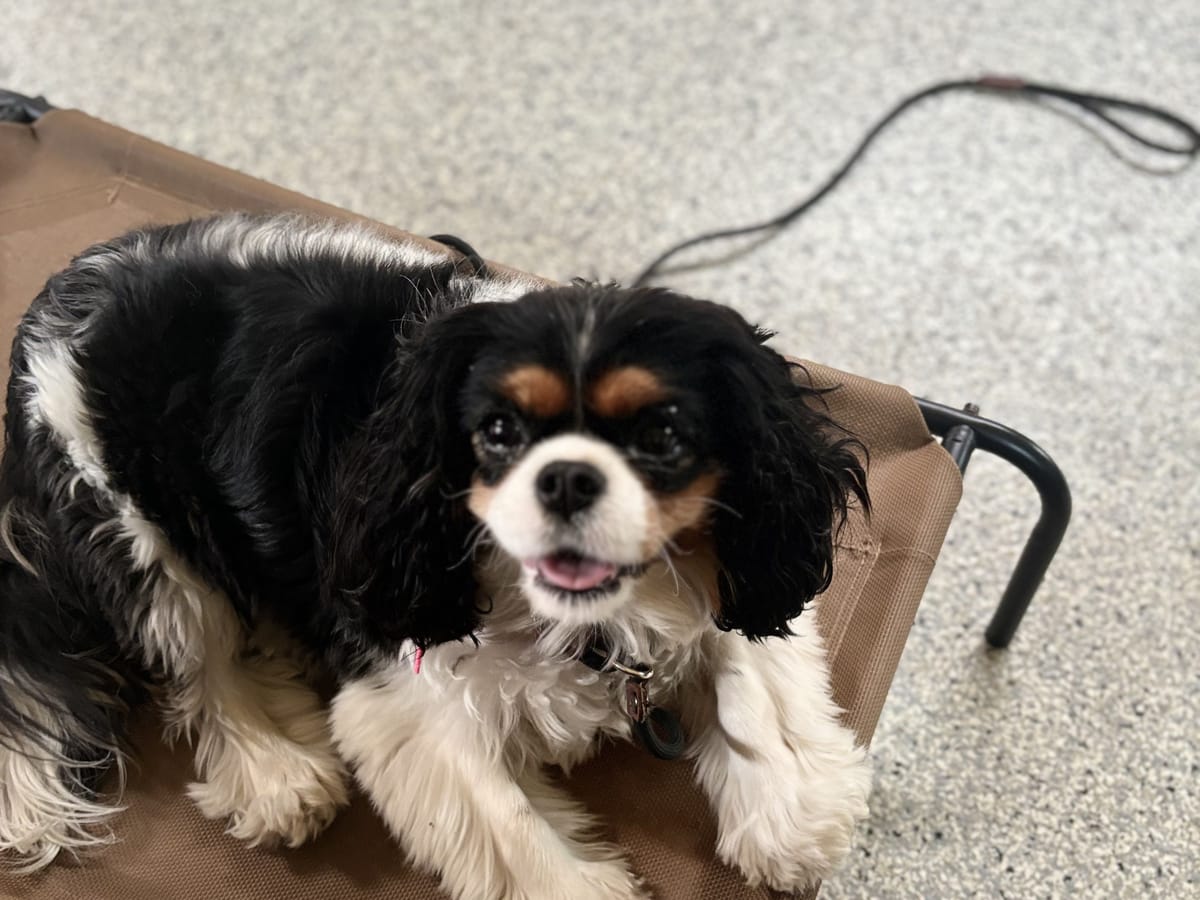
- Use a raised cot or a bed with clear edges. Lure your puppy onto it with a treat.
- When all four paws are on, say “Yes” and give a treat, then a few more while they stay on.
- Say “Break” and toss a treat off the cot to release them. That ends the rep.
- When your puppy hops on by themselves, jackpot: several treats in a row.
- If they hop off before “Break,” no argument. Calmly bring them back and run another rep.
Today's practice: Three or four short sessions. Keep Place easy today: a few seconds on the cot is a win. Three clean wins in a row, then add a little time.
Common mistakes
- Letting your puppy wander off before you say “Break.”
- Making two things harder at once, like more time and more distance.
- Sending them to Place as a punishment. It should always be a good spot.
It's working when
Your puppy heads for the cot when they see it, and waits there for “Break” for a few seconds.
Crate and potty training
Today your puppy learns that the crate is a calm place to rest, and you start the potty routine you'll keep all week.
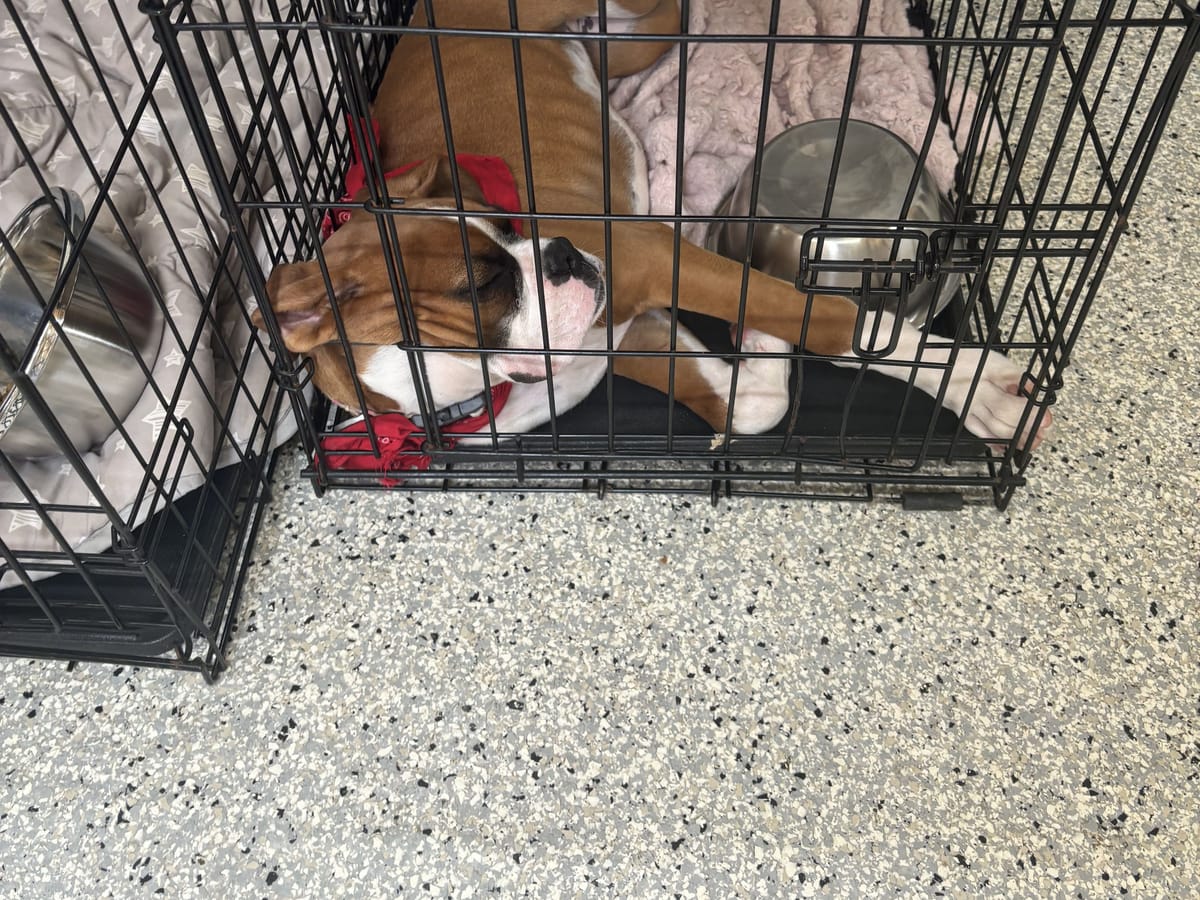
The crate has four jobs: sleep, safety, keeping your puppy out of trouble, and learning to be okay alone. It's a co-trainer, not a dumping ground. Potty training works the same way every time: track it, predict it, beat it.
The crate
- Choose a crate just big enough for your puppy to stand up, turn around and lie down.
- Make it a good place: meals, chews and treats inside, with the door open at first.
- Practice calm in the crate with the door closed for short stretches while you're nearby, not only when you're leaving. When your puppy lies quietly, say “Yes” and drop a treat in.
- At night, put the crate somewhere away from your bed, so your puppy learns to rest on their own.
- Know the difference. Need: they might have to potty, so take them out calmly and come straight back. Protest: they just want out, so wait for quiet before you open the door. Panic (frantic escape attempts, drooling, hurting themselves) is neither: stop and get help.
The potty routine
- For the first three days, write down when your puppy eats, drinks, pees and poops, plus when they wake up, play hard or have an accident. Three days of notes show you their pattern.
- Then plan trips before the times accidents tend to happen, along with first thing in the morning, last thing at night, and after naps, meals and play. The alarm should go off before the bladder wins.
- Leash on, same spot, and keep it boring until they go. Then “Yes,” praise and a treat right there.
- Potty first, freedom second. An empty puppy earns a little supervised freedom. If they don't go, back to the crate or the leash at your side, and try again soon.
- If you catch an accident, calmly interrupt and take your puppy outside. If you find one later, just clean it with an enzyme cleaner, log it and supervise more closely. Never correct after the fact.
Today's practice: Crate games two or three times today, plus naps in the crate. Start the three-day log and follow the potty routine all day.
Training doesn't explain away medical symptoms. If accidents suddenly increase after real progress, your puppy pees very often, or their eating, drinking or energy changes, check with your veterinarian.
Common mistakes
- Using the crate as a punishment.
- Opening the door for protest crying. It teaches your puppy that crying works.
- Taking water away to prevent accidents. Plan the potty trips instead.
- Giving the run of the house too soon. Freedom follows proof.
It's working when
Your puppy walks into the crate on their own and settles, your log shows fewer accidents, and you can predict when they need to go.
Chewing and puppy biting
Today your puppy learns what's theirs to chew, and that teeth on skin ends the fun.
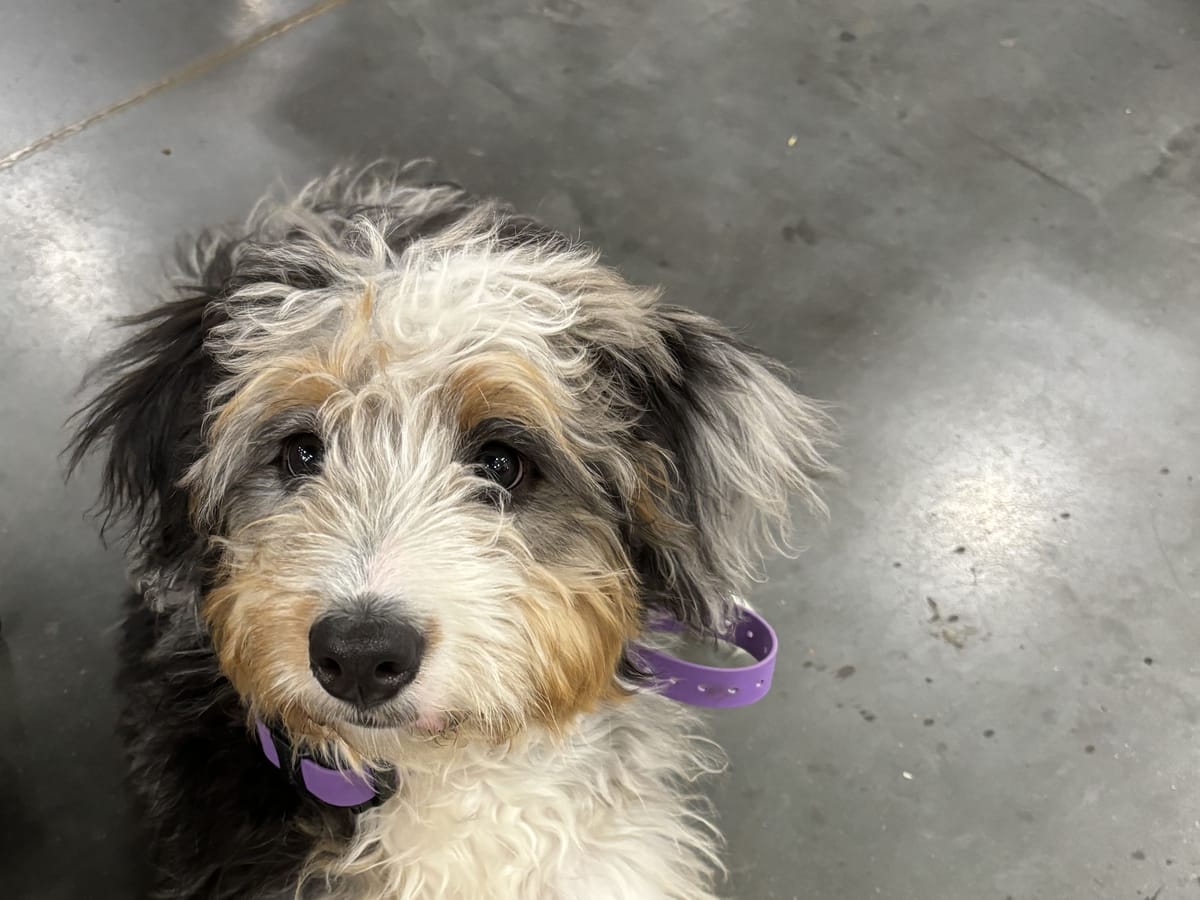
Puppy mouthing is normal, especially while they're teething. Human skin is still off-limits. When a behavior keeps coming back, ask what it's buying your puppy, then close the wrong door and open the right one. Calm chewing is also one of the easiest ways for a puppy to settle.
Chewing
- Puppy-proof: pick up shoes, cords and kids' toys, and use a crate, gate or pen when you can't watch.
- Keep two or three chews your puppy likes within reach, and swap them out so they stay interesting.
- When your puppy grabs something that isn't theirs, trade: offer a treat, say “Yes” when they let go, then hand them a chew. It's the start of OUT, letting go of something when asked.
- Quietly praise them when you catch them chewing their own things.
Mouthing
- Play with a toy between your hands and your puppy's mouth.
- If teeth touch skin, the game stops: stand up and go still and quiet for about ten seconds. No pushing them away; pushing is part of the game.
- Then offer the toy again. Teeth on the toy restarts the fun.
- If your puppy can't stop, they're probably overtired. A nap in the crate with a chew often helps.
- Everyone in the house plays by the same rule. One person wrestling with bare hands undoes it for everyone.
Today's practice: Set up a chew station, practice a few trades, and play two or three short toy games.
Kids are never the practice target: an adult supervises every puppy-and-child moment, or the puppy is separated. Hard or skin-breaking bites, growling or snapping over food, toys or space, and biting to make space are beyond a home guide. Tell us on a free consultation call.
Common mistakes
- Rough games with bare hands.
- Chasing your puppy when they steal something. It turns into their favorite game.
- Giving them old shoes or socks to chew. They can't tell old from new.
It's working when
Your puppy brings you a toy instead of your hand, and goes for their own chew when they're restless.
Calm in real life
Today you put the week together: your puppy settles on Place while life happens, and gets a calm start to walks and new places.
Calm isn't something puppies just grow into. It's practiced, a little every day. You don't need to find more time; train inside the routines you already have.
Calm on Place
- The morning routine: wake up, potty, then Place while you make coffee and get ready. Breakfast, then “Break.”
- Send your puppy to Place during other everyday moments too: while you cook, eat dinner or watch TV. Give them a chew for longer stays.
- When they lie down and relax, say “Yes” and set a treat between their paws.
- Add small distractions one at a time: a knock on the door, someone walking past, a dropped spoon. Say “Break” before your puppy gets up on their own.
Walk, Break and new places
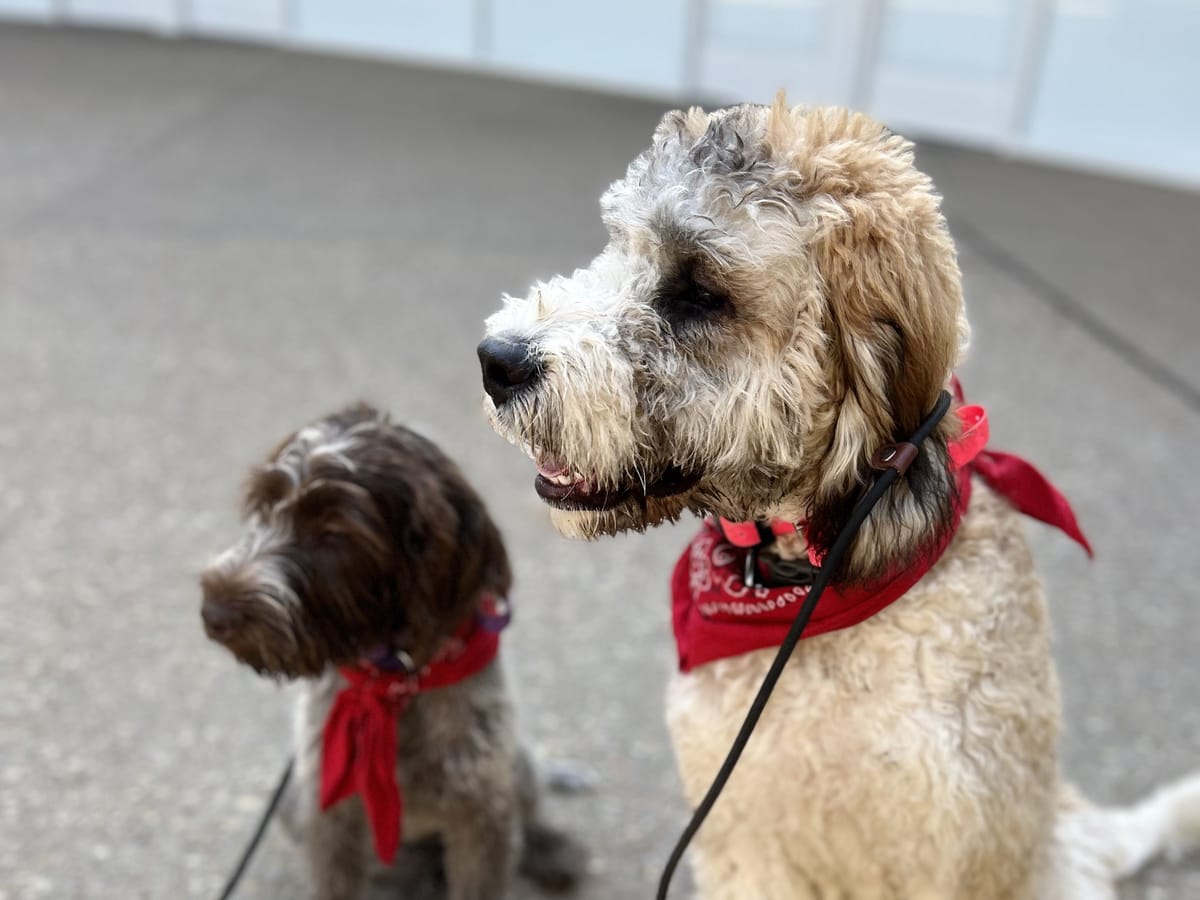
- Walks have two modes. Walk means walking with you: lure your puppy to your side with a treat, take a few steps, then “Yes” and treat. Break means sniff and explore. Freedom isn't gone; it has a cue.
- Keep walks short and easy, starting in your yard or on a quiet street.
- Add new places one at a time: a car ride, a quiet parking lot, a friend's porch. Let your puppy watch from a distance, notice things and calm back down. Collect successful recoveries, not locations.
- Ask your veterinarian when your puppy can safely visit public places and meet other dogs. It depends on their vaccinations.
One plan for the family
- Everyone uses the same words: “Yes,” “Break,” “Sit,” “Down” and “Place.”
- Everyone keeps the same rules, like where the puppy sleeps and whether they're allowed on the couch.
Today's practice: The morning Place routine, one Place session at dinner and one short outing. Keep up the name game, the crate routine and the potty log.
Common mistakes
- Going too far, too fast. One new thing at a time.
- Greeting everything. Socializing isn't saying hi to every dog and person; calmly watching counts too.
- Saving Place for when guests arrive. Practice it on quiet days first.
It's working when
Your puppy can stay on Place through breakfast or dinner, and checks in with you on walks.
Keep going
Keep practicing
- Keep every lesson going. A few minutes a day adds up.
- Make one thing a little harder each day: more time on Place, a busier room, a new place to practice.
- Keep the potty notes until accidents are rare.
- Handling: touch a paw, say “Yes,” treat, let go. Then ears, collar, mouth and nails, one at a time. The vet shouldn't be the first place your puppy is handled.
When to call us
- Biting is getting harder, or it breaks skin.
- There's growling, snapping or guarding over food, toys or space.
- You can't keep kids safe around the puppy.
- Your puppy panics in the crate: frantic escape attempts or hurting themselves.
- Things get worse even after you go back a step.
Anything that looks medical, like a sudden change in behavior, pain, or changes in eating, drinking or potty habits, goes to your veterinarian first.
Book a Free Consultation CallPuppy Training at the Ranch
For puppies 14 weeks and older. Your puppy splits time between our 180-acre ranch and a trainer's home, with structured socialization, one-on-one care and owner coaching so it all holds at home.
- Potty routines and a clear signal to ask to go outside
- Mouth manners: puppy mouthing redirected, skin off-limits
- Name and recall, built up to real distractions
- Place, Settle and calm crate time
- Walk and Break, from the first walk
- OUT: letting go of food, objects and space when asked
- Owner coaching until you can run it yourself
Now booking December 2026 training dates. Ask about availability on your free consultation call.
Book a Free Consultation CallPuppy Training starts at $4,200 for three weeks. We confirm the right length and fit on the free consultation call. See the puppy program →
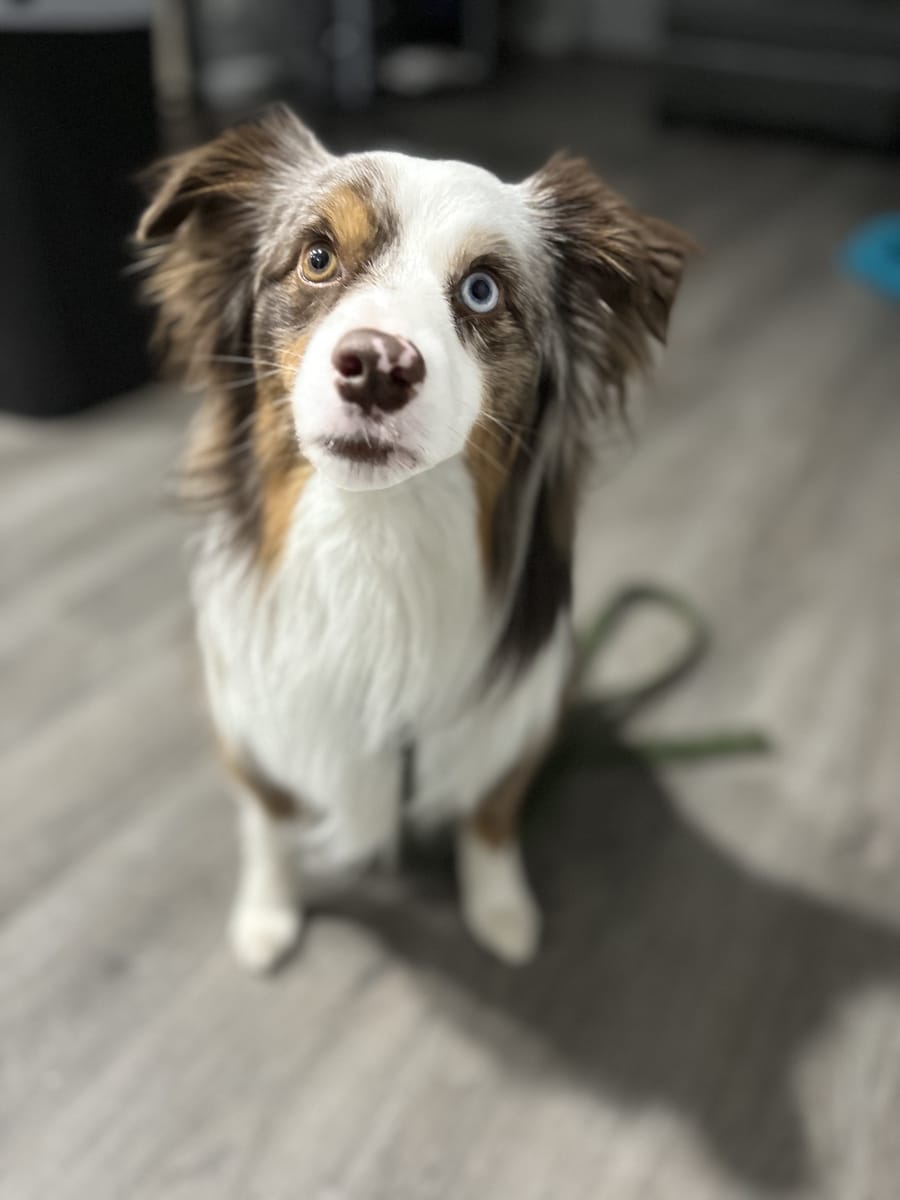
What families say about our puppy training
“She is potty trained and sleeping through the night in her crate.”
Four-week puppy training program
“We are SO grateful for our trainer Andrea who not only worked magic with our puppy but was also an amazing teacher to us.”
Puppy training; duration not stated
Frequently asked questions
Is the boot camp really free?
Yes. All five lessons are right here on this page. No sign-up and no email needed.
How old should my puppy be?
These basics work from the day your puppy comes home. Our puppy board & train program is for puppies 14 weeks and older.
How long should training sessions be?
Short. Three to five minutes at a time, a few times a day, and stop while your puppy still wants more.
What do I need?
Small, soft treats your puppy loves, a flat collar or harness and a leash, a crate, a raised cot or a bed with clear edges, a few chew toys, and an enzyme cleaner for accidents.
What if my puppy isn't getting it?
Find the last place your puppy was right and go back there: a quieter room, a better treat, a shorter session or an earlier day. Rebuild with three clean wins before you change anything. If you're stuck, book a free consultation call and tell us what's happening.
Can you train my puppy for me?
Yes. Our Puppy Training program runs three to four weeks for puppies 14 weeks and older, split between our ranch and a trainer's home, with owner coaching so the training holds at home.
When can my puppy go to public places and meet other dogs?
Ask your veterinarian. It depends on your puppy's vaccinations and health. When you do go, socializing isn't greeting everyone: calm, successful experiences are what count.
Questions about your puppy?
Tell us your puppy's age and what's driving you crazy. Our consultation team reads every one and calls you back with an honest answer.
- Tell us about your dogAbout a minute, right here.
- Our consultation team reads itThe people who match every dog to the right program.
- We call or text you backWithin one business day, with an honest recommendation.
★★★★★ 200+ Five-Star Reviews · 180-Acre Ranch · Trainer-supervised · BBB A+ Accredited
Prefer to talk now? (918) 760-5286
Start with Day 1 today.
A few minutes at a time is all it takes to begin. And when you want a hand, book the free consultation call.
Serving Tulsa, Owasso, Broken Arrow, Jenks, Bixby, Skiatook, Sand Springs, Sapulpa, Collinsville, Claremore.